-

·
How Institutional Positioning Can Influence Currency Market Direction
Retail traders control 5% of FX volume while institutions command 85% of $7.5 trillion daily turnover. Understanding institutional positioning reveals structural imbalances that create exploitable momentum and liquidity inefficiencies.
-

·
Liquidity Sweep Trading: How to Analyze Stop Runs and Reversals
Retail traders cluster stops at obvious levels—round numbers, swing highs, equal lows—creating liquidity pools that institutions exploit through temporary price sweeps before reversing.
-

·
Crypto Funding Rate Extremes: Identifying Crowded Long and Short Positions
Funding rates reveal where leveraged traders are crowded in perpetual futures markets. Extreme readings often precede violent reversals—but only when combined with open interest, order book data, and proper execution timing.
-

·
GBP/JPY Trading: Why the ‘Beast’ Attracts Aggressive Traders
GBP/JPY delivers 180-220 pip daily ranges—triple EUR/USD’s movement. This breakdown explains why aggressive traders hunt the ‘Beast’ for carry trades, momentum plays, and risk sentiment speculation.
-

·
How to Trade False Breakouts Without Chasing Every Price Spike
False breakouts aren’t random noise—they’re engineered liquidity grabs. Learn to identify and trade them using volume analysis, order flow, ATR filters, and multi-timeframe structure.
-

·
Bitcoin Liquidation Cascades: How Forced Selling Accelerates Market Crashes
Liquidation cascades turn leveraged positions into self-reinforcing market crashes. Dissecting the mechanics, historical events, warning signals, and tactical responses for crypto derivatives traders.
-
·
Why EUR/USD Liquidity Changes Dramatically During Session Overlaps
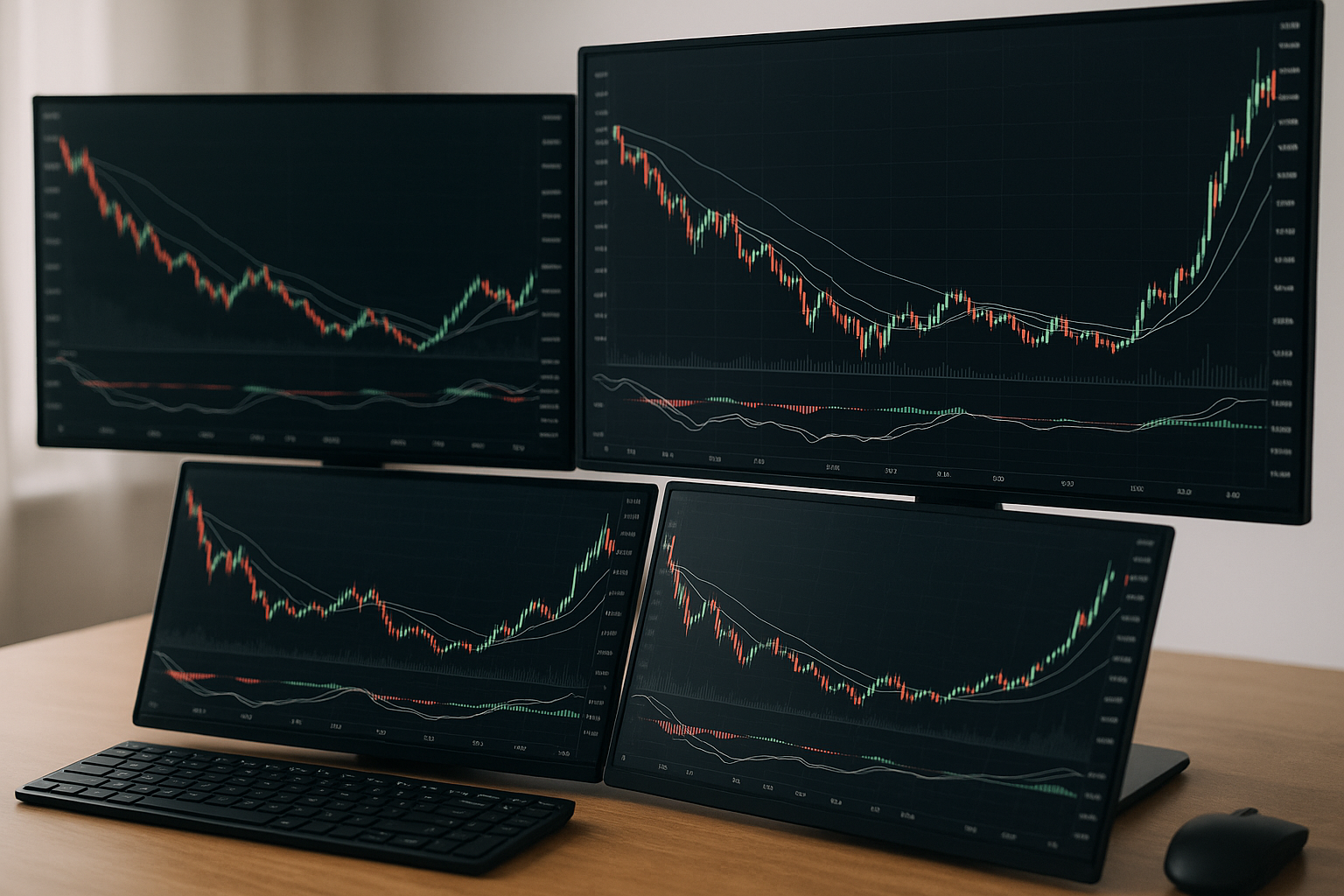
EUR/USD spreads collapse 75-85% during the London-New York overlap while depth explodes 300-400%. This isn’t just volume—it’s a microstructure transformation that rewrites execution costs and trading viability.
-
·
Forex Risk Management: Position Sizing, the 1% Rule and Stop-Loss Placement
Learn the forex risk management framework professional traders use: the 1% rule, how to calculate position size in lots, smart stop-loss placement and correlation limits.